| KATE ROBINSON | |||
 |
|||
| The Idea for the Theatre | |||
| 2 minute movie. | |||
| Public Commissions | |||
| Bio/Contact | Still from the movie. | ||
| Home | |||
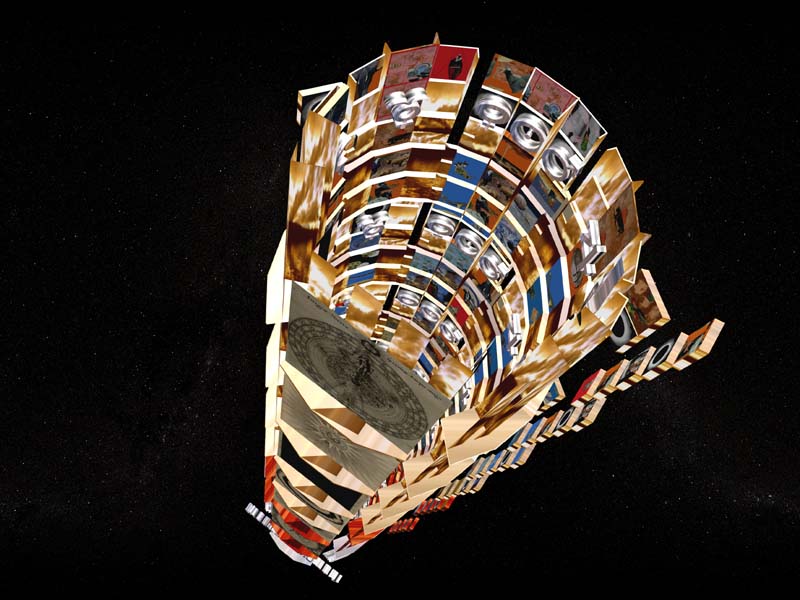
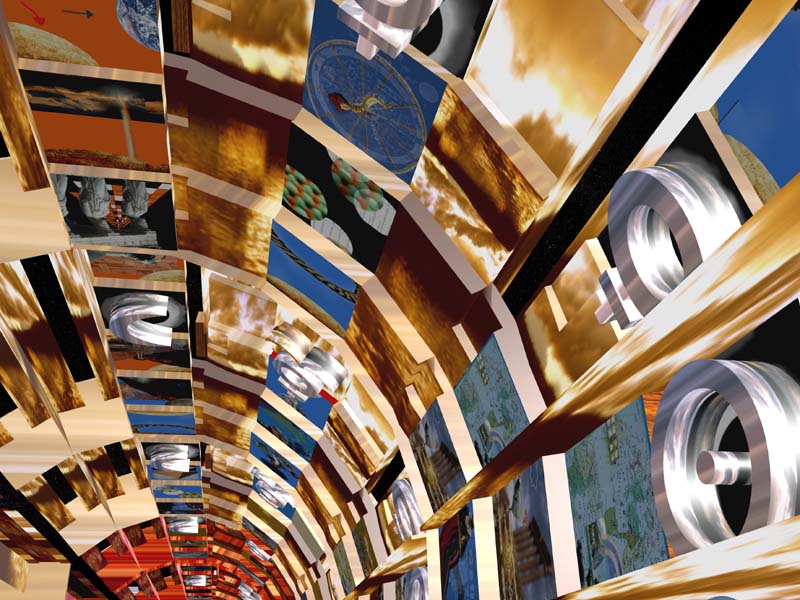
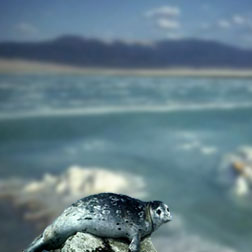
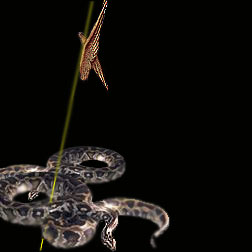
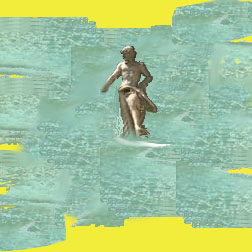
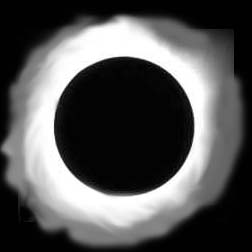
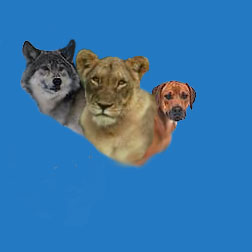
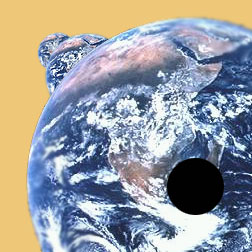
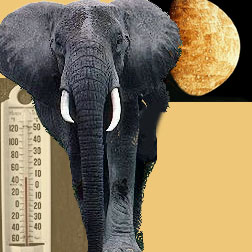
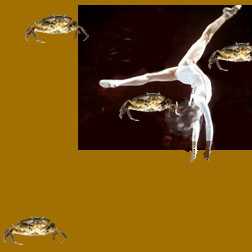
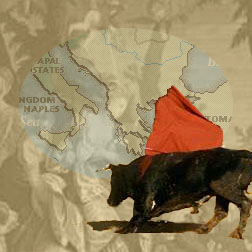
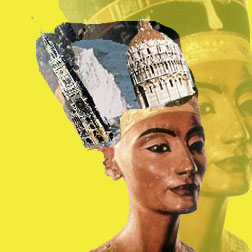
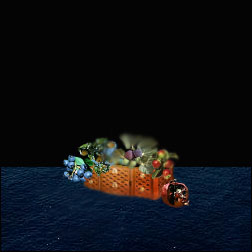
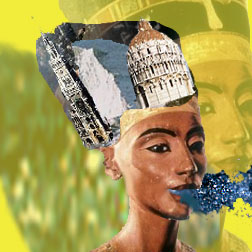
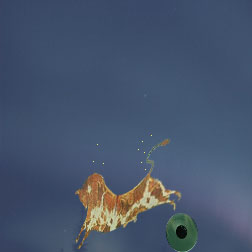
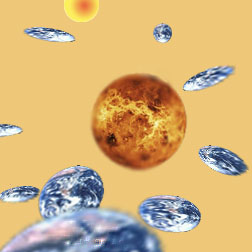
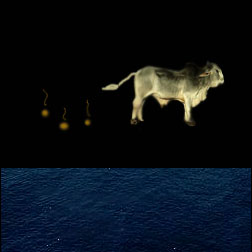
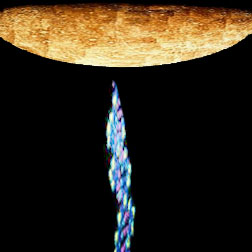
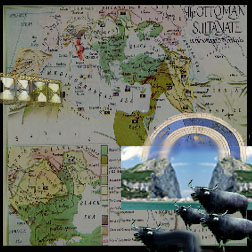
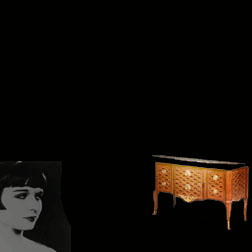
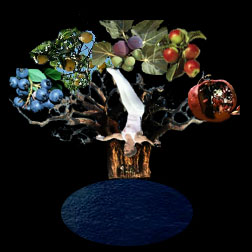
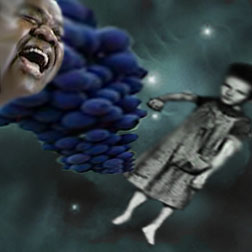
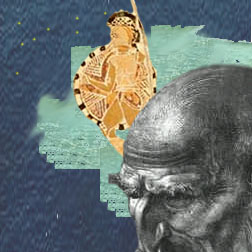
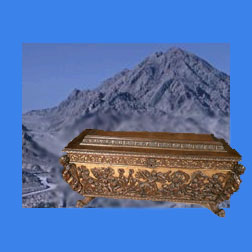
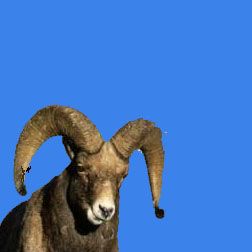
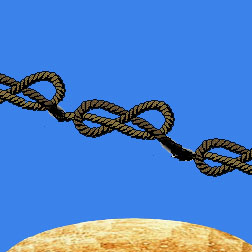
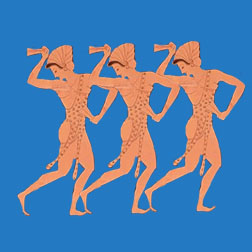
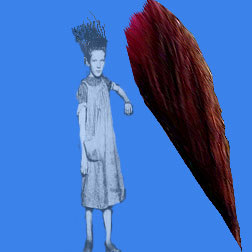
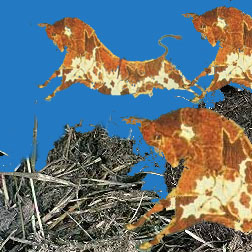
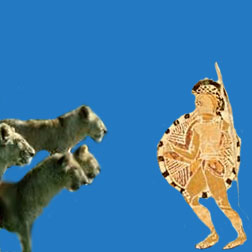
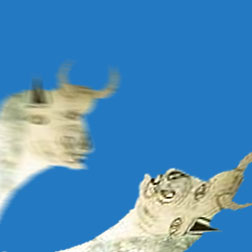
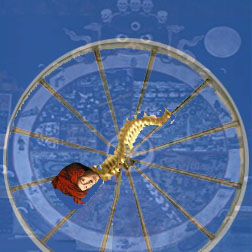
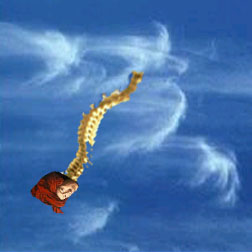
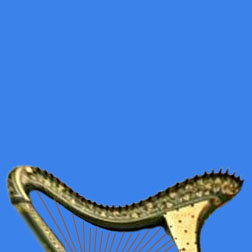
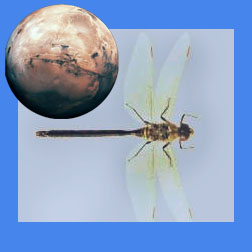
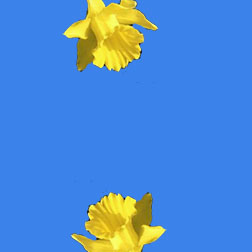
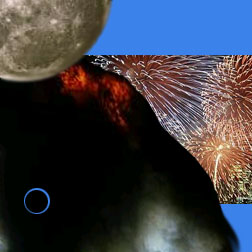
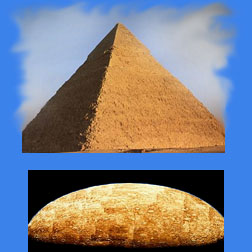
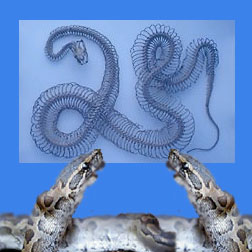
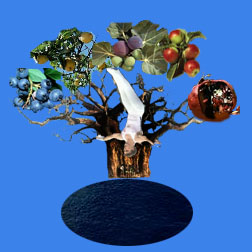
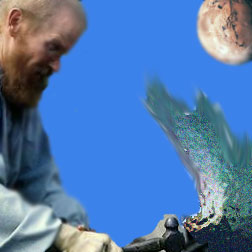
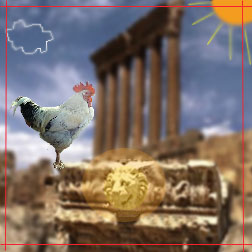
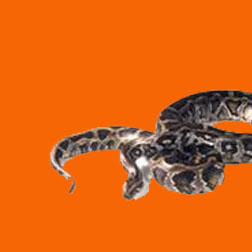
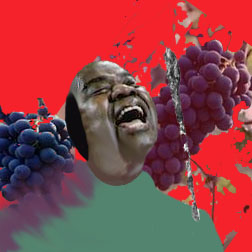
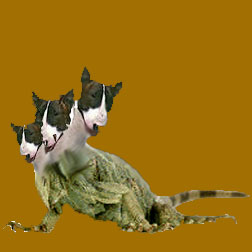
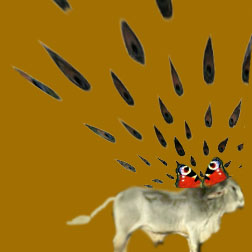
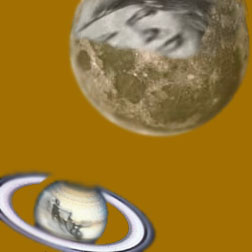
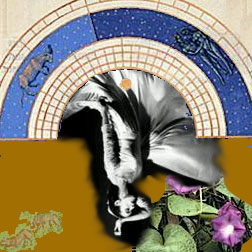
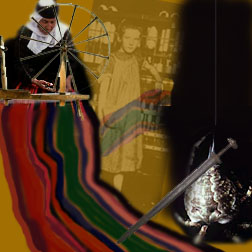
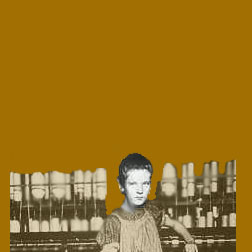
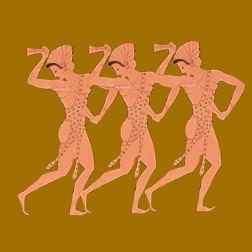
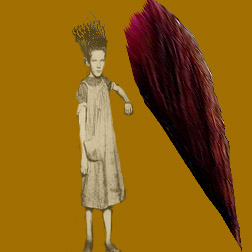
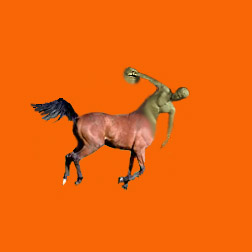
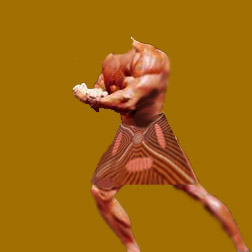
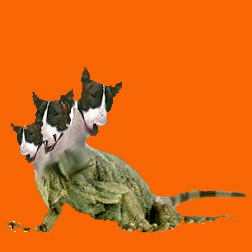
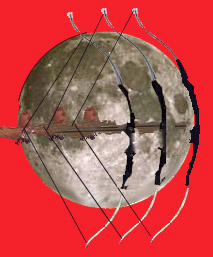
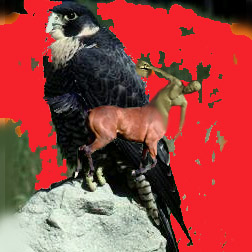
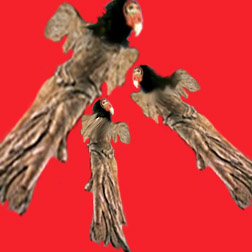
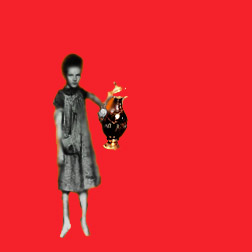
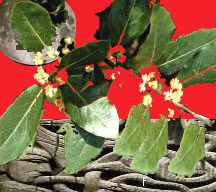
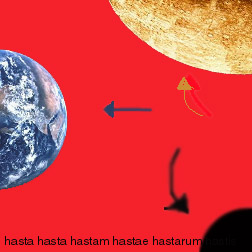
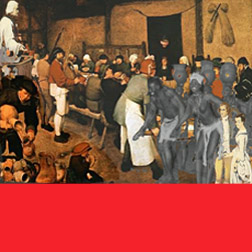
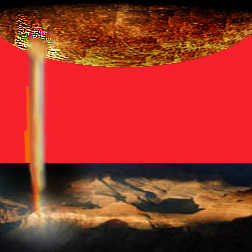
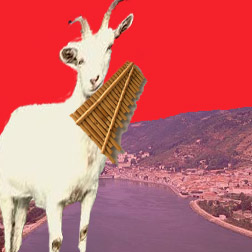
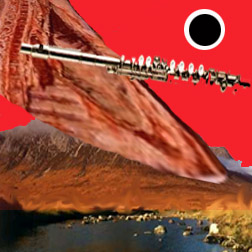
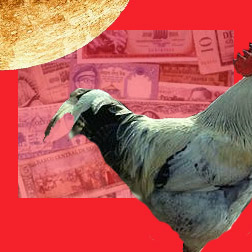
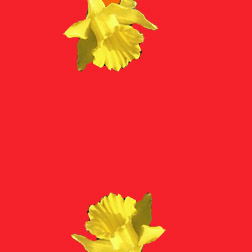
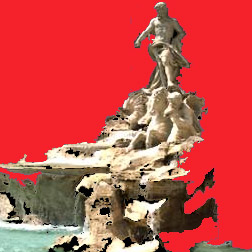
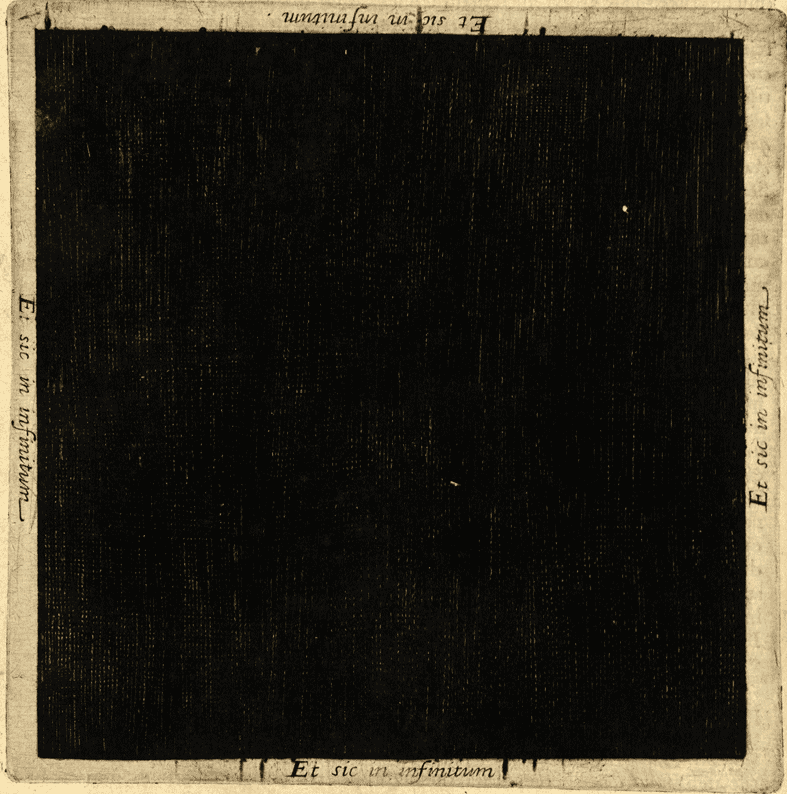
The image above is inspired by the 'Theatre' of the Italian philosopher, Giulio Camillo, described in his book 'L'idea del Teatro' (Florence 1550). Rather than bricks and mortar, Camillo's Theatre is best imagined as an internal idea which corresponds to the outer cosmos, a celestial vehicle connecting nature and man. In 'L'idea del Teatro' Camillo describes hundreds of images all of which are placed inside the 'Theatre'. The images are of myths, history, the stars and the planets and their meaning depends on their position in the Theatre. The images below are based on the descriptions of the images in Camillo's book. |
 |
||
 |
 |
 |
|
 |
 |
 |
|
 |
 |
 |
|
 |
 |
 |
|
 |
 |
 |
|
| Each of the images in Giulio Camillo's sixteenth century work, L'Idea del Theatro, has a specific meaning based on its location within the Theatre. | |||
 |
 |
 |
|
 |
 |
 |
|
Camillo describes the universe in mythical and visual terms. His sources are Biblical, Classical, from Cabbalah, from astronomy to everyday life. |
|||
 |
 |
 |
|
 |
 |
 |
|
 |
 |
 |
|
 |
 |
 |
|
 |
 |
 |
|
The painter, Titian, worked with Camillo. He painted a series of drawings to accompany Camillo's L'Idea del Theatro. Sadly, these images perished in a fire at El Escorial in 1671. |
|||
 |
 |
 |
|
 |
 |
 |
|
 |
 |
 |
|
 |
 |
 |
|
 |
 |
 |
|
Camillo's aim is to create a vast network of visual relationships. The Theatre works through imaginative association. |
|||
 |
 |
 |
|
 |
 |
 |
|
 |
 |
 |
|
 |
 |
 |
|
 |
 |
 |
|
 |
 |
 |
|
 |
|||